
Professional vehicle window tint installers often face new considerations when offering house window tinting services. Understanding different house window tint types is crucial for expanding services successfully. The materials, regulations, and customer expectations differ significantly from automotive applications. This article provides a clear overview, selection criteria, and comparisons to inform professional decisions. You’ll gain the expertise needed to confidently recommend suitable tint types, expand your service offerings, and meet diverse client demands in the residential market.
Table of Contents
- How To Evaluate House Window Tint Types
- Popular Types Of House Window Tint Explained
- Comparing House Window Tint Types Side-By-Side
- Choosing The Right House Window Tint For Your Business
- Expand Your Window Tinting Service With Professional Tools
- Types Of House Window Tint Frequently Asked Questions
Key takeaways
| Point | Details |
|---|---|
| Selection criteria matter | Evaluate UV protection, privacy levels, energy efficiency, durability, and legal compliance before recommending films. |
| Multiple tint types available | Popular options include dyed, metalized, ceramic, hybrid, and security films, each with distinct advantages. |
| Performance varies significantly | Ceramic films offer superior heat rejection whilst dyed films provide budget-friendly privacy solutions. |
| Regulatory compliance essential | Understanding residential window tinting regulations prevents legal issues and protects your business reputation. |
| Strategic selection boosts profits | Offering diverse tint options based on client needs increases revenue and customer satisfaction. |
How to evaluate house window tint types
Evaluating house window tint requires a systematic approach to match client needs with film capabilities. Understanding UV protection levels is critical for selecting effective house window tint. Start by assessing UV protection capability, as residential clients prioritise reducing harmful rays and protecting furnishings from fading. Quality films block 99% of UV radiation whilst allowing visible light transmission.
Privacy requirements vary dramatically between clients. Some homeowners want decorative frosted films for bathrooms, whilst others need blackout solutions for bedrooms or media rooms. Understanding these distinctions helps you recommend appropriate opacity levels and finishes.
Energy efficiency directly impacts client satisfaction and long-term value. Films with superior solar heat rejection reduce cooling costs significantly, particularly in south-facing rooms. Calculate potential savings to justify premium options. Durability and scratch resistance determine how long films maintain their appearance and performance. Commercial-grade films withstand cleaning and wear better than budget alternatives.
Pro Tip: Always confirm legal compliance with local regulations before installation. Residential window film restrictions vary by region, and installing non-compliant films creates liability issues for your business.
Key evaluation criteria include:
- UV protection percentage and wavelength coverage
- Visible light transmission for privacy and aesthetics
- Solar heat rejection coefficient for energy savings
- Film thickness and scratch resistance ratings
- Warranty terms and manufacturer reputation
- Installation complexity and adhesive quality
Popular types of house window tint explained
Dyed window tint represents the most affordable entry point for residential applications. Dyed films provide privacy and reduce glare but may fade over time. These films use multiple dye layers to absorb solar energy and reduce glare. They enhance privacy without metallic components that interfere with mobile signals or WiFi. However, dyed films typically fade after five to seven years, requiring replacement.
Metalized window tint incorporates microscopic metallic particles that reflect heat and UV radiation. This construction delivers superior heat rejection compared to dyed films whilst maintaining durability. The metallic layer strengthens the film, making it more scratch-resistant and longer-lasting. The primary drawback involves potential interference with electronic signals, including mobile phones, GPS devices, and radio reception. Clients with smart home systems may experience connectivity issues.
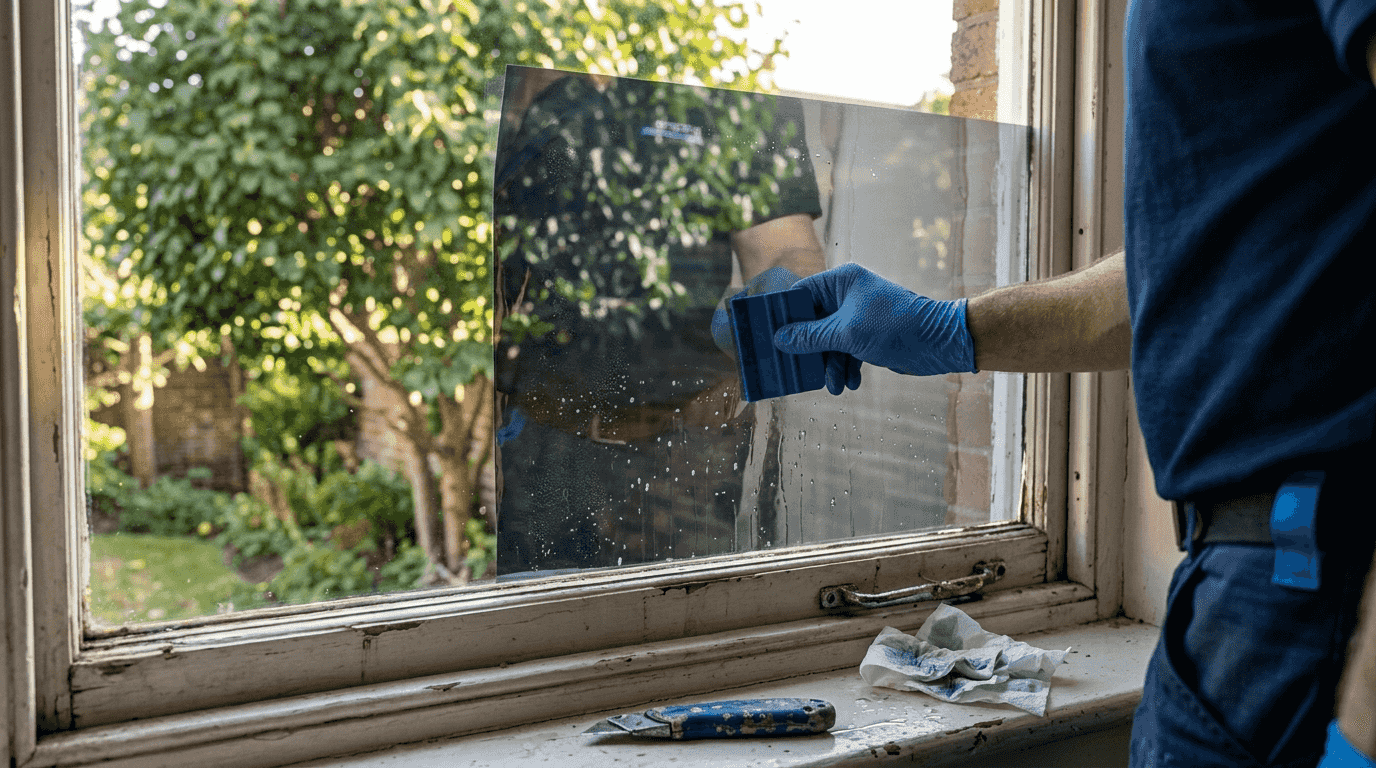
Ceramic window tint represents the premium category, using advanced nano-ceramic particles instead of metal or dye. These films offer superior heat rejection, block up to 99% of UV rays, and maintain optical clarity without any signal interference. Ceramic technology provides consistent performance without fading, making it ideal for clients seeking long-term value. The higher initial cost reflects superior materials and manufacturing processes.
Hybrid window tint blends dyed and metalized layers to balance performance and cost. This combination delivers better heat rejection than dyed films alone whilst minimising signal interference compared to fully metalized options. Hybrid films suit budget-conscious clients who want improved performance without ceramic pricing.
Security films deserve special mention as specialised products. These thicker films, ranging from 4 to 15 mils, provide impact resistance and hold glass fragments together during breakage. They deter break-ins and protect against storm damage, serving dual purposes beyond standard tinting.
Common residential applications by type:
- Dyed films for budget-conscious privacy needs
- Metalized films for moderate heat rejection
- Ceramic films for premium performance requirements
- Hybrid films for balanced cost and benefits
- Security films for safety-critical applications
Comparing house window tint types side-by-side
A structured comparison reveals how different tint types perform across critical metrics. Ceramic films provide the best overall performance in UV and heat rejection. Understanding these differences helps you match client budgets with performance expectations.
| Tint Type | UV Protection | Heat Rejection | Durability | Privacy | Signal Interference | Cost |
|---|---|---|---|---|---|---|
| Dyed | 95-98% | Low | 5-7 years | High | None | Lowest |
| Metalized | 99% | High | 8-10 years | Medium | Moderate | Medium |
| Ceramic | 99%+ | Highest | 10+ years | Medium | None | Highest |
| Hybrid | 98-99% | Medium-High | 7-9 years | Medium | Low | Medium-High |
| Security | 99% | Medium | 10+ years | Variable | None | High |
Dyed films occupy the budget segment, offering basic UV protection and privacy at the lowest cost. Their limited heat rejection and shorter lifespan make them suitable for rental properties or temporary solutions. Expect client complaints about fading after five years.
Metalized films deliver substantial heat rejection and longevity, justifying their mid-range pricing. The signal interference issue requires careful client education. Avoid recommending metalized films for homes with extensive smart technology or weak mobile coverage.
Ceramic films command premium prices but deliver unmatched performance. They excel in every category except cost, making them ideal for luxury homes, south-facing exposures, and clients prioritising energy efficiency. The absence of signal interference eliminates a major concern.
Hybrid films balance cost and performance effectively. They suit clients who recognise dyed film limitations but cannot justify ceramic pricing. Position hybrids as the sensible middle ground for most residential applications.
Security films serve specialised needs beyond standard tinting. They protect against forced entry, storm damage, and accidents. Recommend them for ground-floor windows, sliding glass doors, and homes in high-crime areas.
Pro Tip: Create sample boards showing each film type with performance specifications. Physical demonstrations help clients understand value differences and justify premium options more effectively than verbal explanations alone.
Choosing the right house window tint for your business
Selecting suitable house window tints for your service portfolio requires strategic thinking beyond product features. Compliance with window tinting regulations mitigates legal risks and enhances professionalism. Prioritise films that meet local laws and regulations to avoid penalties and protect your reputation.
Consider client priorities when building your product range. Privacy-focused clients need darker films or decorative options. Energy-conscious homeowners value heat rejection and UV protection. Security-minded customers require impact-resistant films. Understanding these distinct needs helps you stock appropriate options.
Offer a tiered product range from budget-friendly dyed films to premium ceramic options. This approach captures clients across price points whilst positioning you as a full-service provider. Avoid stocking only premium films, as many residential clients have budget constraints.
Invest in mastering software tools to ensure precise cuts and installations. Professional cutting software reduces material waste, speeds installation, and improves finish quality. These efficiencies directly impact profitability on residential projects.
Educate clients on benefits of different films to upsell effectively. Most homeowners lack technical knowledge about window films. Explaining how ceramic films reduce energy bills by 30% or how security films prevent break-ins justifies higher pricing. Use before-and-after thermal imaging to demonstrate heat rejection visually.
Key business considerations include:
- Stock diverse film types to serve varied client needs
- Develop expertise in residential applications and regulations
- Create educational materials explaining film differences
- Calculate ROI for clients to justify premium options
- Build relationships with quality film manufacturers
- Offer warranties that reflect film quality tiers
Position yourself as a consultant, not just an installer. Clients value expertise that helps them make informed decisions. Asking questions about their priorities, budget, and concerns builds trust and increases average project values. Understanding how to choose tint film for vehicle results translates well to residential consultations.
Expand your window tinting service with professional tools
Transitioning from vehicle to residential window tinting demands precision tools that streamline your workflow. Using AEONCUT’s window tint cutting software ensures precise, fast cuts adapted to house window films. The software’s extensive pattern library and customisable designs reduce material waste whilst accelerating installation times.
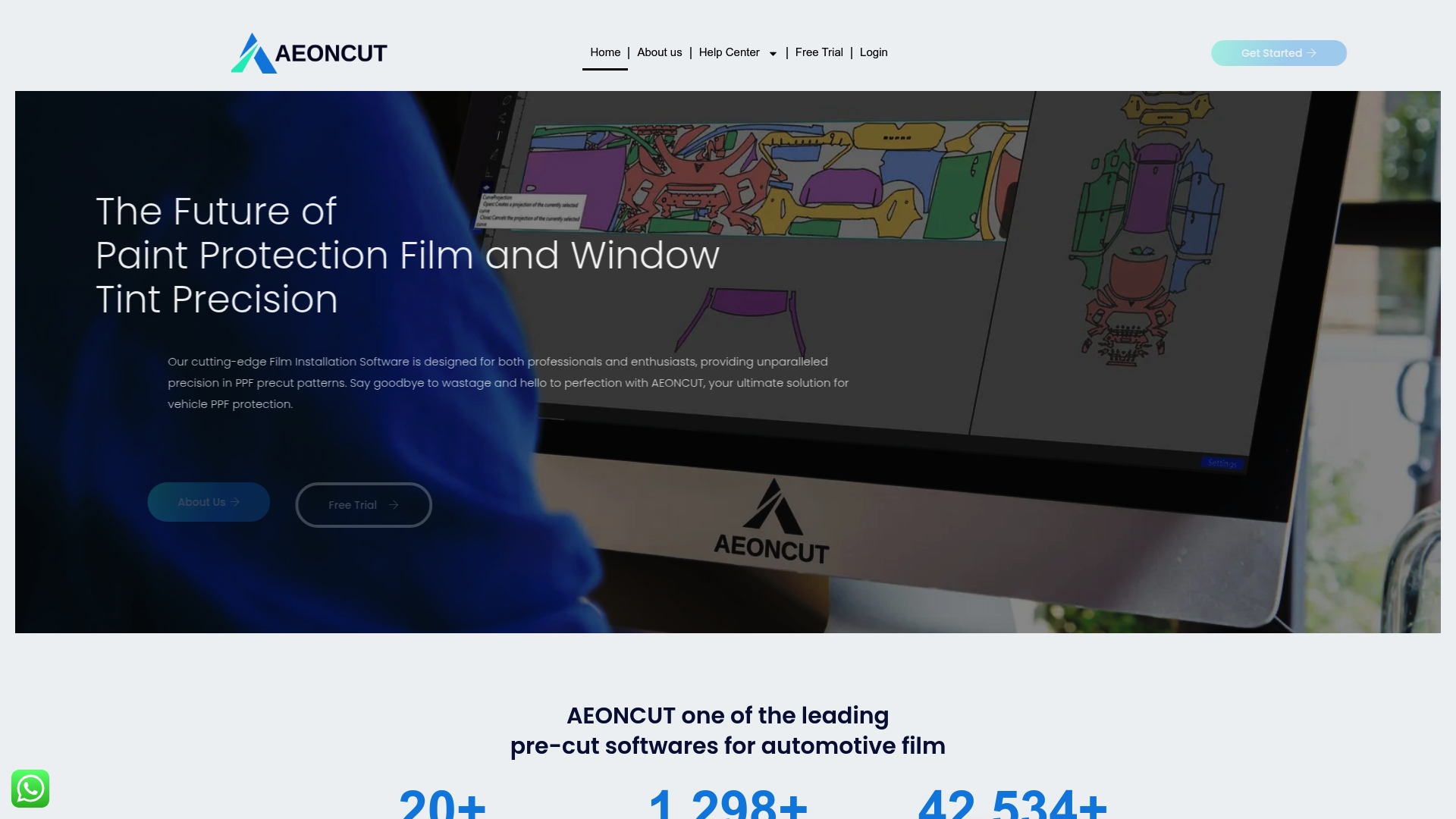
Professional installers benefit from cloud-based updates that keep patterns current with new film products and residential applications. The AI-driven auto-nesting feature maximises material usage, directly improving profit margins on every project. These tools help you diversify confidently into residential window tinting whilst maintaining the quality standards your automotive clients expect.
Integrating PPF and cutting software with your service offerings significantly boosts productivity and profits. You’ll complete residential projects faster, reduce costly errors, and deliver consistent results that generate referrals. The investment in professional software pays for itself through improved efficiency and reduced material waste.
Streamline your workflow by combining technical expertise with cutting-edge tools. This combination positions your business as a premium service provider capable of handling both automotive and residential projects with equal proficiency. Clients recognise and value this professional approach, leading to higher project values and repeat business.
Types of house window tint frequently asked questions
What are the primary benefits of ceramic tint over dyed tint for houses?
Ceramic tint offers superior heat rejection, blocking up to 60% of solar heat compared to 30-40% for dyed films. It maintains performance without fading for over ten years, whilst dyed films degrade within five to seven years. Ceramic films also provide better UV protection and optical clarity without the purple discolouration common in aged dyed films.
Can vehicle window tinting skills and tools be directly applied to house window tinting?
Your core installation skills transfer well, but residential applications require adaptations. House windows are typically larger, flatter, and stationary, allowing different application techniques. The films themselves often differ in thickness and adhesive properties. Your existing cutting tools and squeegees work, but you’ll benefit from larger application solutions and specialised tools for picture windows.
How do regulations differ between vehicle and residential window tinting in 2026?
Legal limits for residential window tints vary by region; consulting 2026 regulations is essential. Residential tinting faces fewer restrictions than automotive applications in most jurisdictions. However, some regions regulate reflectivity levels to prevent neighbour complaints about glare. Historical districts or homeowners associations may impose additional restrictions on exterior appearance.
What factors affect the longevity of different house window tints?
Film quality, installation technique, and environmental exposure determine lifespan. Premium ceramic and metalized films last ten years or more, whilst budget dyed films fade within five to seven years. South-facing windows experience more UV degradation than north-facing exposures. Proper installation without contamination or adhesive failure prevents premature peeling or bubbling.
Are there eco-friendly or energy-saving window tints suitable for homes?
Ceramic and spectrally selective films deliver substantial energy savings by reducing cooling loads. Quality films can reduce heat gain by 60%, lowering air conditioning costs by 20-30% annually. These energy savings reduce carbon footprint whilst improving comfort. Some manufacturers offer films with recycled content or environmentally responsible manufacturing processes, appealing to sustainability-focused clients.
Recommended
- What Type of Window Tint Is Best for Professional Installers – AEONCUT PPF Pre-cut Cutting software
- Types of Window Tint: Guide for Installers and Dealers 2025 – AEONCUT PPF Pre-cut Cutting software
- Window Tinting Explained: Complete Guide for Installers – AEONCUT PPF Pre-cut Cutting software
- UV Window Tint: Precision Solutions for Installers – AEONCUT PPF Pre-cut Cutting software