Many installers mistakenly believe that a film’s VLT percentage directly determines legal compliance, leading to costly violations and client disputes. Legal window tint limits depend on cumulative Visible Light Transmission (VLT) combining factory glass and film, varying significantly by window type and region. Understanding these regulations protects your business from fines, ensures client satisfaction, and positions you as a trusted expert in automotive tinting compliance for 2026.
Table of Contents
- Introduction To Window Tinting Legal Limits
- Understanding VLT And How Tint Darkness Is Measured
- Legal Tint Limits By Window Type And Region
- Reflectivity, Colour Restrictions, And Medical Exemptions
- Compliance And Risks For Installers And Clients
- Common Misconceptions And Installation Challenges
- Conclusion: Best Practices For 2026 And Beyond
- Explore Professional Tools And Software For Precise Tinting
Key takeaways
| Point | Details |
|---|---|
| Legal VLT limits vary by window type and state | Front side windows typically require 25% to 70% VLT, while rear windows often have looser restrictions. |
| Combined VLT determines compliance | Factory glass VLT multiplied by film VLT creates the final measurement, not the film rating alone. |
| Reflectivity and colour restrictions apply | Most regions limit reflectivity to 20% maximum and ban red, amber, or mirror finishes. |
| Medical exemptions require documentation | Darker tints under medical exemptions need physician certification and vary by jurisdiction. |
| Penalties include fines and removal orders | Violations result in £25 to £250 fines, fix-it tickets, and escalating consequences for repeat offences. |
Introduction to window tinting legal limits
Visible Light Transmission (VLT) measures the percentage of visible light passing through a window with tint film applied. Legal tint limits exist primarily to balance driver privacy with critical safety requirements for motorists, pedestrians, and law enforcement visibility. Regulations aim to prevent visibility hazards during night driving, adverse weather conditions, and emergency situations where clear sightlines prove essential.
Several key factors drive these legal restrictions:
- Safety for drivers requires adequate visibility in all lighting conditions to prevent accidents
- Pedestrian visibility ensures crossings and roadside interactions remain safe
- Law enforcement needs clear window views during traffic stops and emergencies
- Privacy concerns must balance against public safety requirements
Window tint darkness differs fundamentally from other window treatments like UV coatings or privacy glass. Tint specifically reduces visible light transmission, whilst UV coatings block harmful radiation without significantly darkening windows. Jurisdictional variability creates complex compliance challenges, as neighbouring states or regions may enforce drastically different VLT requirements. Professional installers serving multiple areas must maintain current knowledge of each jurisdiction’s specific regulations to avoid costly violations and protect client interests.
Understanding VLT and how tint darkness is measured
Visible Light Transmission represents the percentage of visible light passing through the combined window and tint film system. Tint metres, calibrated instruments meeting industry standards, measure VLT by directing light through the glass and film combination, then calculating the percentage that passes through. Factory glass already contains some tinting, typically ranging from 70% to 85% VLT, meaning cumulative window tint VLT combines factory glass with aftermarket film, potentially creating illegal darkness levels if installers skip proper measurement.
Determining accurate total VLT before installation requires systematic measurement:
- Measure factory glass VLT using a calibrated tint metre on untinted windows
- Select appropriate aftermarket film VLT based on desired darkness and legal requirements
- Calculate combined VLT by multiplying factory glass percentage by film percentage
- Verify post-installation VLT with certified equipment to confirm legal compliance
Consider this practical example: factory glass measures 80% VLT, and you apply 50% VLT film. The calculation becomes 0.80 × 0.50 = 0.40, resulting in 40% final VLT. If local regulations require 35% minimum VLT for front side windows, this installation violates the law despite using seemingly moderate 50% film. Professional installers can master window tint software for precise installations that account for these calculations automatically. Understanding this cumulative effect prevents expensive mistakes and legal complications.

Pro Tip: Always verify VLT post-installation with a certified tint metre to catch measurement errors before clients leave your shop, protecting both your reputation and their legal compliance.
Legal tint limits by window type and region
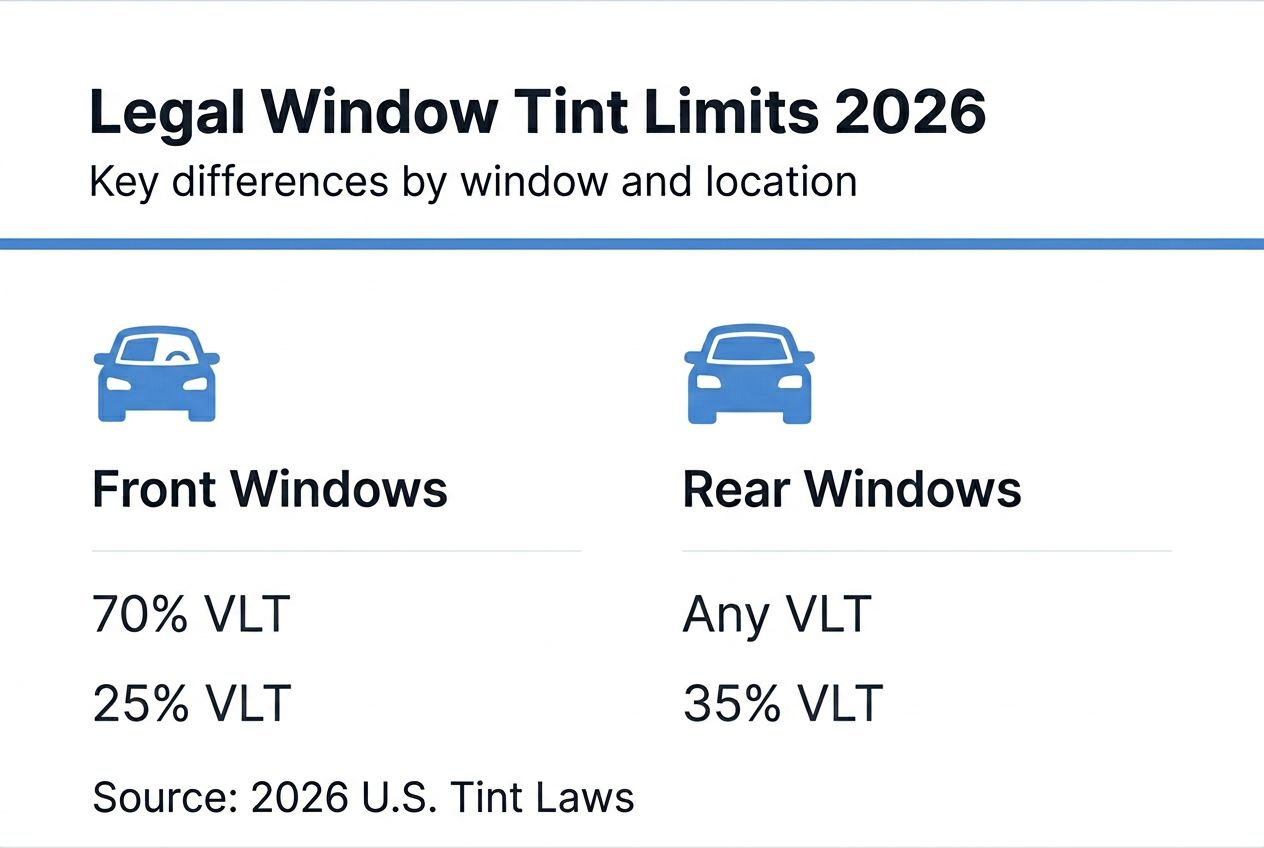
Front side window VLT requirements range from 25% to 70% across U.S. states, creating significant regional variation that installers must navigate carefully. Rear side windows and back windows generally face looser restrictions, with many jurisdictions allowing any darkness level or requiring only 20% to 30% VLT. Windshield regulations prove most restrictive, typically permitting non-reflective tint only on the top 4 to 6 inches following the vehicle manufacturer’s AS-1 line.
| State | Front Side Windows | Rear Side Windows | Windshield |
|---|---|---|---|
| California | 70% VLT | Any darkness | Top 4 inches |
| Texas | 25% VLT | Any darkness | Top 5 inches (AS-1) |
| Florida | 28% VLT | 15% VLT | Top 6 inches (AS-1) |
| New York | 70% VLT | 70% VLT | Top 6 inches |
| Louisiana | 40% VLT | 25% VLT | Top 5 inches |
Key regional nuances affecting compliance include:
- Louisiana recently tightened front window requirements from 25% to 40% VLT in 2024
- Passenger vehicles and multi-purpose vehicles face different regulations in several states
- Some jurisdictions require dual side mirrors if rear window tint reduces visibility
- Certificates or stickers identifying legal tint may be mandatory in certain states
Installers working across state borders must verify current car window tint law requirements before each installation to avoid liability. A comprehensive 2026 state tint limits overview and windshield tint regulations provide essential reference materials for maintaining compliance across diverse jurisdictions.
Reflectivity, colour restrictions, and medical exemptions
Reflectivity restrictions prevent glare hazards from mirror-like tint films, with most regions limiting reflectivity to 20% maximum on front and rear windows. Metallic or mirror finishes create dangerous light reflections that distract other drivers, particularly during bright sunlight or night-time headlight exposure. Colour restrictions typically ban red, amber, and certain mirror-like tints that reduce visibility or mimic emergency vehicle lighting.
Medical exemptions allow darker window tints for drivers with documented light-sensitive conditions like lupus, albinism, or severe photosensitivity. However, exemption protocols vary dramatically by state, requiring careful verification before installation. Proper documentation for medical exemptions typically includes:
- Physician certification specifying the medical condition requiring darker tint
- Prescription or letter detailing recommended VLT levels for health protection
- State-issued exemption permits or certificates carried in the vehicle
- Regular renewals or updates as required by local regulations
Installers bear responsibility for verifying exemption validity and maintaining copies of documentation for liability protection. Understanding car window tint limit compliance and mirror window tint vehicles regulations prevents costly mistakes when clients request non-standard tinting. Some jurisdictions require installers to affix certification stickers identifying legal medical exemptions, creating additional compliance obligations.
Pro Tip: Always verify local medical exemption protocols before applying non-standard tint darkness, and maintain digital copies of all exemption documentation for at least three years to protect against future liability claims.
Compliance and risks for installers and clients
Penalties for illegal tinting include fix-it tickets, fines ranging from £25 to £250, and mandatory vehicle inspections that inconvenience clients significantly. Repeat violations escalate consequences, potentially leading to increased fines, licence points, or vehicle impoundment in extreme cases. Law enforcement officers typically identify illegal tinting during routine traffic stops using visual assessment or portable tint metres, making violations difficult to conceal.
Understanding cumulative VLT calculations and factory glass effects proves essential for preventing illegal installations. Many violations occur because installers focus solely on film ratings without accounting for existing factory tint. Post-installation tint metre verification remains critical for confirming legal compliance and avoiding liability exposure.
Installer best practices for maintaining compliance include:
- Verify current local and state tint laws before every installation project
- Use precision tint metres calibrated according to manufacturer specifications
- Document pre-installation factory glass VLT measurements for client records
- Inform clients about legal requirements, potential penalties, and compliance responsibilities
- Maintain liability insurance covering tinting work and potential violations
Non-compliance creates substantial risks beyond immediate fines. Installers face legal liability if clients receive citations for illegal tinting performed at their shops. Reputation damage from compliance failures spreads quickly through online reviews and professional networks, potentially devastating business growth. Professional credibility depends on demonstrating expertise in both technical installation skills and regulatory knowledge. Resources like best window tint type, car window tint limit compliance, and UV window tint precision installers help professionals stay current on compliance requirements.
Pro Tip: Stay updated on law changes by subscribing to industry publications and regulatory alerts, and keep tint metres calibrated annually to ensure measurement accuracy and avoid preventable penalties.
Common misconceptions and installation challenges
Misconceptions about film percentage being final VLT, universal medical exemptions, and windshield tint rules cause frequent violations amongst otherwise careful installers. The most damaging myth suggests that a 35% VLT film automatically creates 35% final darkness, ignoring factory glass effects entirely. This misunderstanding leads installers to apply films that seem legally compliant but actually violate regulations when combined with existing window tint.
Medical exemptions create another common confusion point. Installers often assume that exemption documentation from one state transfers to another jurisdiction, or that physician letters alone authorise darker tinting without state-specific permits. In reality, exemption validity remains strictly jurisdictional, requiring separate verification and documentation for each state where the vehicle operates.
Windshield tinting myths prove particularly problematic. Some installers believe that light films covering entire windshields remain legal if they meet minimum VLT thresholds. However, most jurisdictions strictly prohibit windshield tinting beyond the top AS-1 line regardless of film darkness, making full windshield applications illegal even with 90% VLT film.
Typical installer errors causing violations include:
- Measuring film VLT only without accounting for factory glass darkness
- Ignoring regional differences when serving clients from multiple jurisdictions
- Misunderstanding reflectivity limits as separate from VLT requirements
- Applying tint based on client requests without legal verification
- Skipping post-installation VLT measurement to save time
Avoiding these mistakes requires systematic compliance processes. Always calculate combined VLT before cutting film. Maintain updated legal reference materials for every jurisdiction you serve. Educate clients about realistic expectations within legal constraints. Understanding common tint compliance misconceptions and reviewing common tint installation errors helps installers anticipate problems before they occur.
Conclusion: Best practices for 2026 and beyond
Maintaining legal window tint compliance requires ongoing commitment to education, measurement accuracy, and client communication. Successful installers adopt systematic approaches that eliminate guesswork and prevent costly violations.
Essential compliance practices include:
- Regularly update knowledge on local and state tint laws through industry resources and regulatory alerts
- Always measure or calculate combined factory glass and film VLT before starting installations
- Use certified tint metres to verify compliance immediately post-installation
- Educate clients thoroughly about legal tint limits, reflectivity restrictions, colour prohibitions, and medical exemption requirements
- Maintain meticulous documentation including pre-installation measurements, film specifications, and compliance certificates
Professional credibility depends on demonstrating expertise beyond basic installation techniques. Clients trust installers who proactively address legal concerns, explain cumulative VLT calculations, and refuse illegal requests professionally. Building this reputation requires consistent adherence to compliance protocols even when clients pressure you to exceed legal limits. The short-term revenue from illegal installations never justifies the long-term damage to your business reputation and legal standing.
Explore professional tools and software for precise tinting
Specialised software transforms tint installation from guesswork into precision engineering. Modern tools calculate cumulative VLT automatically, alert installers to regional compliance issues, and generate documentation proving legal adherence. Pattern software streamlines complex vehicle tinting by providing exact templates that minimise waste whilst ensuring perfect fits.
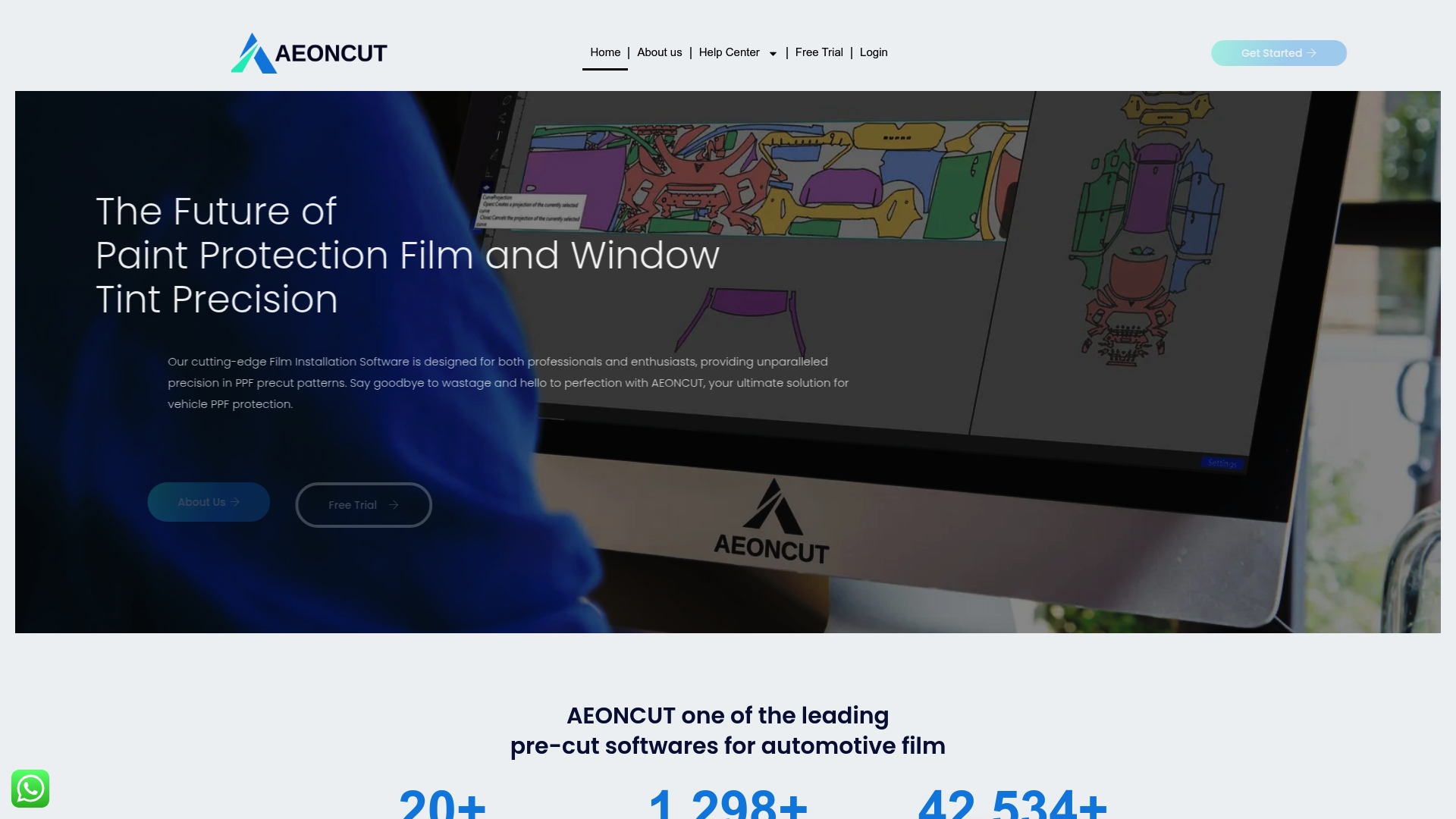
Professional installers leverage AEONCUT’s comprehensive portfolio to maintain compliance whilst maximising efficiency. The platform offers window tint pattern tools that eliminate measurement errors and reduce material waste significantly. Whether you specialise in automotive tinting or expand into PPF services, AEONCUT’s cutting software provides the precision and reliability that distinguish professional operations from amateur installers. Explore these resources to elevate your technical capabilities and compliance confidence.
FAQ
What is the maximum legal window tint for front side windows?
Legal limits vary significantly by state, requiring installers to verify local regulations before every installation. Most jurisdictions mandate higher VLT (lighter tint) on front side windows to ensure driver visibility and safety during all lighting conditions. California requires 70% VLT minimum, whilst Texas permits darker 25% VLT applications.
How is Visible Light Transmission (VLT) calculated for tinted windows?
VLT measures the percentage of visible light passing through the combined window glass and tint film system. Final VLT equals factory glass VLT multiplied by aftermarket film VLT, not simply the film rating alone. Proper cumulative calculation prevents illegal tinting and costly fines by accounting for existing factory darkness.
Are medical exemptions for darker window tinting universally accepted?
Medical exemptions vary dramatically by state jurisdiction and never transfer automatically across borders. Valid exemptions require physician certification or documentation specifying light-sensitive medical conditions requiring darker tinting. Installers must verify local exemption laws before applying non-standard darkness levels, even with medical documentation.
What are common penalties for illegal window tinting?
Fines typically range from £25 to £250 depending on jurisdiction and violation severity. Illegal tinting usually requires immediate removal or corrective action through fix-it tickets that mandate re-inspection. Repeated offences trigger escalating fines, increased enforcement scrutiny, and potential vehicle impoundment in serious cases.
Recommended
- Complete Guide to Window Tinting Legal Limits – AEONCUT PPF Pre-cut Cutting software
- Complete Guide to Window Tint Laws 2025 – AEONCUT PPF Pre-cut Cutting software
- Back Window Tint Limit: Legal Compliance and Risks – AEONCUT PPF Pre-cut Cutting software
- Car window tint law guide for professional installers 2026 – AEONCUT PPF Pre-cut Cutting software