Many professional installers mistakenly believe darker tints deliver superior UV protection, yet darkness does not determine UV blocking capability. Film composition matters far more than shade. This comprehensive guide clarifies UV car window film science, compares film technologies, details US legal compliance, and demonstrates how advanced cutting software transforms installation precision and profitability in 2026.
Table of Contents
- Introduction To UV Car Window Films
- Understanding UV Protection Mechanisms
- Comparison Of Film Technologies
- Legal Compliance And Regulations In The US
- Professional Installation Techniques And Benefits
- Advanced Installation Tools And Software
- Common Misconceptions And Myths About UV Car Window Films
- Conclusion And Practical Recommendations
- Enhance Your UV Car Window Film Installations With AEONCUT Software
- Frequently Asked Questions
Key takeaways
| Point | Details |
|---|---|
| UV protection effectiveness | UV car window films can block up to 99.9% of harmful UV rays regardless of visible darkness. |
| Ceramic film advantages | Ceramic films offer superior heat rejection without interfering with vehicle electronic signals. |
| Legal compliance varies | VLT limits differ significantly across US states and window types requiring installers to verify local regulations. |
| Professional installation benefits | Expert installation reduces defects like bubbles and peeling whilst prolonging film lifespan and warranty validity. |
| Software precision gains | Cutting software like AEONCUT enhances pattern accuracy and reduces material waste by over 50%. |
Introduction to UV car window films
UV car window films are multi-layer polyester laminates with specialised coatings engineered to block harmful ultraviolet radiation. Factory automotive glass typically blocks only limited UV rays, leaving occupants vulnerable to skin damage and interior fading. Professional installers must understand that standard windscreens filter some UVB but allow substantial UVA penetration.
UV films address this gap by blocking both UVA and UVB wavelengths, essential for protecting vehicle occupants from prolonged exposure that accelerates skin ageing and increases cancer risk. Interior surfaces also benefit, as UV radiation degrades leather, plastics, and fabrics causing unsightly fading and cracking. Modern films embed ceramic, metallic, and nano-carbon coatings within their layers to achieve blocking rates approaching 99.9%.
Professional installers should recommend UV films to clients seeking comprehensive protection beyond factory glass capabilities. The science of UV and IR rejection underpins film performance, ensuring durable, effective shielding. Understanding these fundamentals enables you to confidently specify appropriate films for diverse client needs and vehicle types.
Key film characteristics include:
- Multi-layer polyester construction for structural integrity and optical clarity
- Specialised coatings embedding ceramic, metallic, or carbon particles for UV absorption
- Adhesive layers ensuring long-term bonding to glass surfaces
- Scratch-resistant top coats protecting film surfaces from daily wear
- Benefits of tinting car windows extend beyond UV blocking to heat reduction and privacy enhancement
Understanding UV protection mechanisms
Ultraviolet radiation divides into UVA and UVB wavelengths, both harmful to human skin and responsible for interior material degradation. UVA rays penetrate deeper into skin layers accelerating ageing, whilst UVB rays cause sunburn and DNA damage. Advanced polyester films block up to 99.9% of these harmful rays through absorption and reflection mechanisms.
Films achieve UV blocking via multi-layer coatings incorporating ceramic, metallic, and nano-carbon particles that absorb or reflect ultraviolet wavelengths. Ceramic coatings provide non-metallic UV and infrared blocking with exceptional durability and no signal interference. These coatings consist of nano-ceramic particles dispersed throughout the film matrix, capturing UV photons before they penetrate glass.
Metallic films reflect UV radiation using aluminium or other metal layers embedded within polyester. Whilst effective for UV and heat rejection, metallic films may interfere with mobile phone signals, GPS, and keyless entry systems. Nano-carbon particles represent a newer technology, enhancing heat rejection and UV blocking without electronic interference, combining benefits of ceramic and metallic approaches.
The UV and IR film science reveals how coating composition determines protection levels independent of visible tint darkness. Installers selecting films should prioritise coating technology specifications over visual appearance to ensure optimal UV protection for clients.
Pro Tip: Inspect film specification sheets to confirm coating composition and UV blocking percentages before purchasing. Request laboratory test certificates validating claimed UV rejection rates to guarantee performance promises match actual film capabilities.
Comparison of film technologies
Dyed films offer basic UV protection but deliver lesser heat rejection compared to advanced alternatives. These films absorb heat through dye layers, providing privacy and modest temperature control. However, dyed films tend to fade faster under prolonged sun exposure, typically requiring replacement within three to five years. They represent the most economical option for budget-conscious clients.
Metallic films provide superior heat rejection by reflecting infrared radiation using embedded metal particles. They block UV effectively and maintain colour stability longer than dyed variants. The primary drawback involves potential interference with radio frequencies, affecting vehicle electronics like satellite radio, mobile connectivity, and tyre pressure monitoring systems.
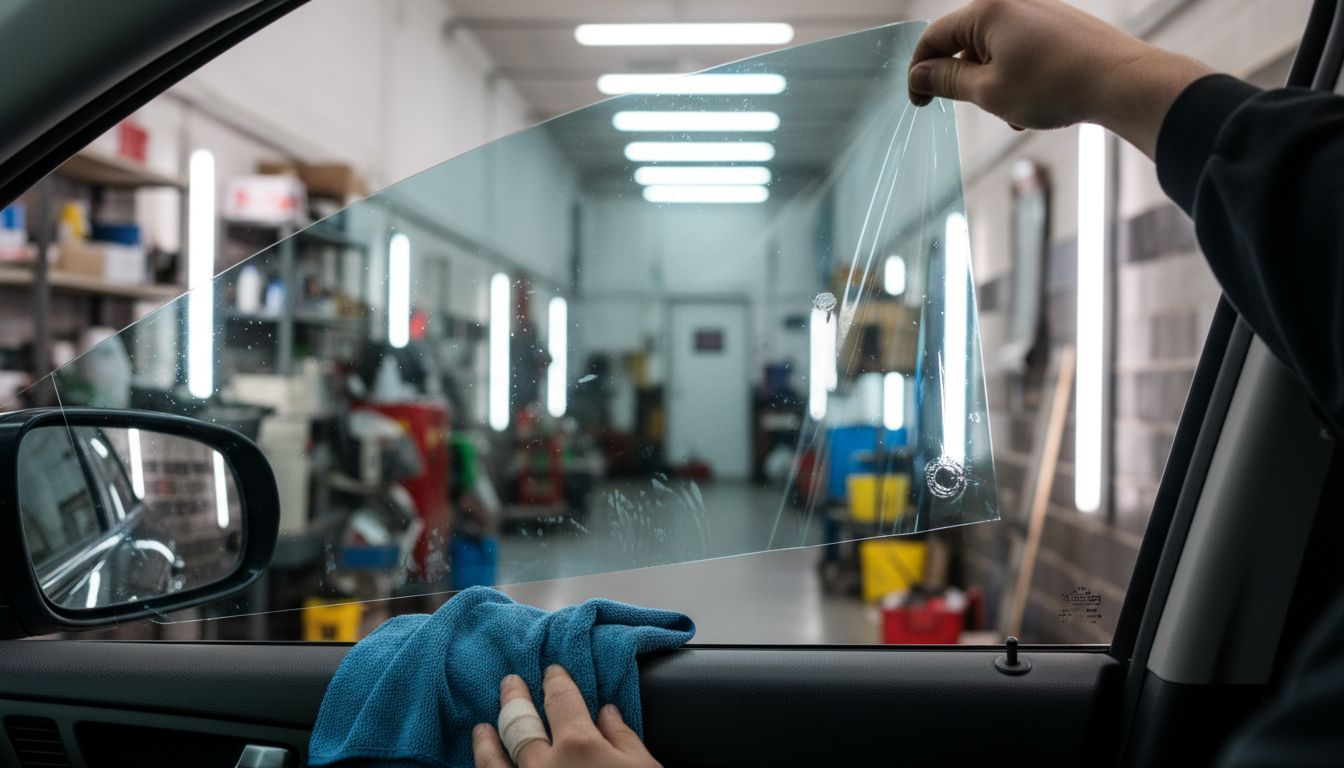
Ceramic films deliver exceptional UV and heat blocking without signal interference, making them ideal for modern vehicles packed with wireless technology. These films incorporate nano-ceramic particles that reject infrared and ultraviolet wavelengths whilst maintaining optical clarity. Ceramic options cost more but offer longest lifespan and best overall performance, typically lasting ten years or more.
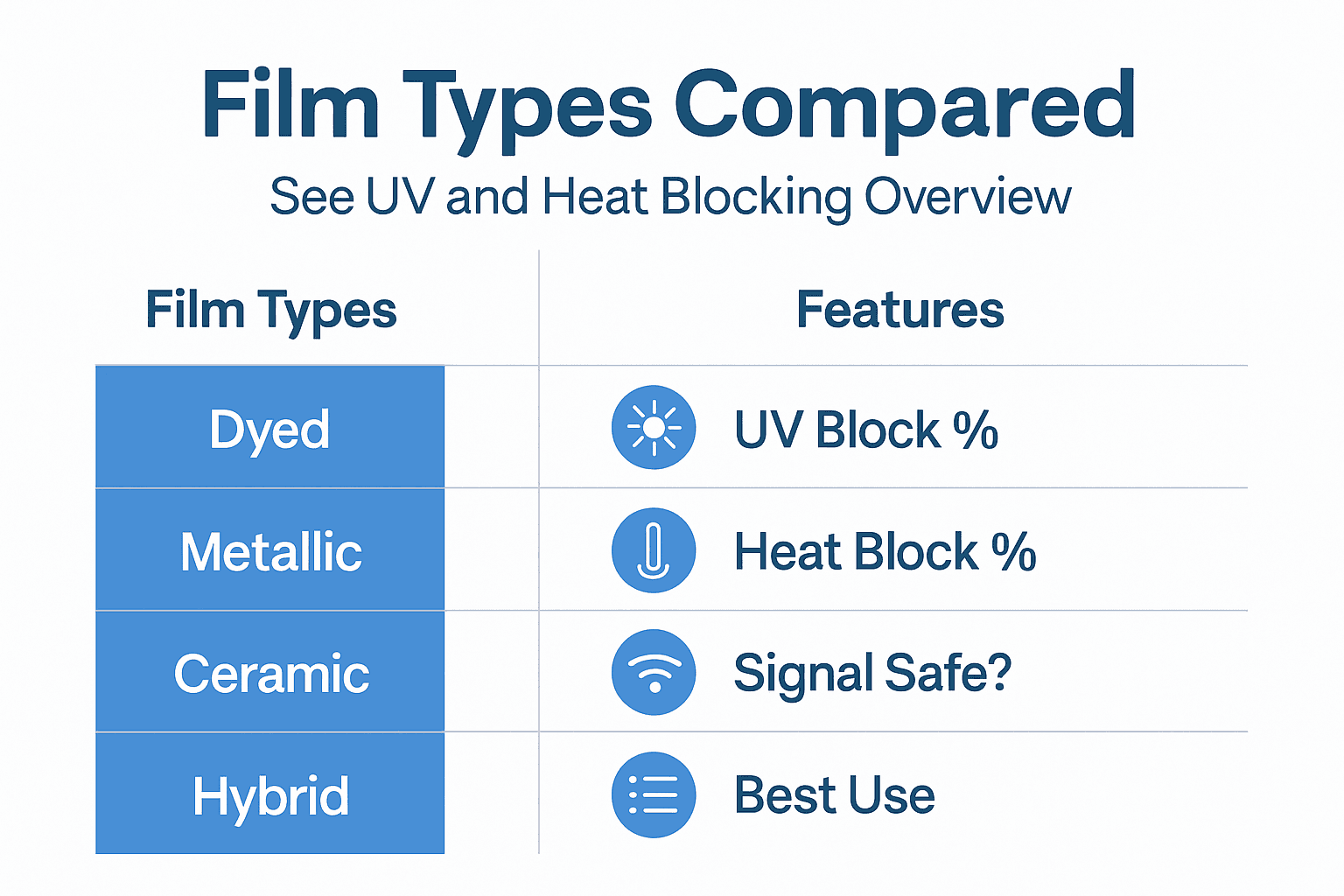
Hybrid films combine multiple technologies aiming for balanced protection, aesthetics, and cost. They might layer metallic and dyed components or blend ceramic with carbon materials to optimise specific attributes. Installers can match hybrid films to clients prioritising particular benefits like maximum heat rejection or minimal electronic interference.
| Film Type | UV Blocking | Heat Rejection | Signal Interference | Durability | Cost |
|---|---|---|---|---|---|
| Dyed | 95-98% | Low | None | 3-5 years | Low |
| Metallic | 99%+ | High | Possible | 5-7 years | Medium |
| Ceramic | 99.9% | Very High | None | 10+ years | High |
| Hybrid | 99%+ | Medium-High | Minimal | 5-8 years | Medium-High |
Best use cases for each film type:
- Dyed films suit budget installations where clients prioritise privacy over maximum heat rejection
- Metallic films work well for older vehicles without sensitive electronic systems requiring strong heat control
- Ceramic films excel for premium installations in modern vehicles needing complete UV protection without signal issues
- Hybrid films balance performance and cost for mid-range clients seeking versatile protection
- Window tint cut software optimises material usage across all film types reducing waste
Legal compliance and regulations in the US
US state tint laws restrict VLT with limits from 20% to 35% depending on window location and jurisdiction. Visible Light Transmission percentages indicate how much light passes through tinted windows, with lower numbers meaning darker tints. Front side windows typically face stricter limits than rear windows and back glass, reflecting safety priorities for driver visibility.
Wide variation across states necessitates checking local laws before every installation to avoid legal complications. For example, California permits 70% VLT on front side windows whilst Texas allows 25%, creating significant regulatory differences. Some states also restrict reflective or mirrored finishes, ban certain colours, or require medical exemptions for darker tints.
Legal risks include traffic citations, mandatory film removal, and potential liability if accidents occur due to restricted visibility. Installers face professional consequences including damage to reputation, lost business, and possible legal action if non-compliant installations cause client problems. Verifying regulations protects both installer and customer from unnecessary penalties.
Best practice involves selecting films meeting or exceeding minimum legal VLT thresholds for the target state and window position. The window tint laws guide provides comprehensive state-by-state regulations updated for 2026 compliance requirements.
Steps to verify compliance:
- Research current VLT limits for specific state and window locations before film selection
- Confirm film specifications match legal requirements with manufacturer documentation
- Measure post-installation VLT using certified light meters to validate compliance
- Provide clients written documentation proving legal conformity for their records
- Stay updated on regulation changes through industry associations and legal databases
Professional installation techniques and benefits
Thorough surface preparation prevents common defects like bubbles, creases, and adhesion failures that plague amateur installations. Professional installers meticulously clean glass surfaces removing all contaminants including dirt, oils, and residues that interfere with film bonding. This preparation phase directly impacts installation quality and film longevity.
Proper adhesion strategies ensure films bond securely to glass surfaces, preventing peeling and delamination over time. Professionals control environmental factors like temperature and humidity during installation, using slip solutions to position films accurately before final squeegee work activates adhesives. Professional installations consistently achieve higher customer satisfaction and maintain warranty validity.
Expert techniques significantly reduce defect rates compared to DIY attempts, preserving film investments and protecting installer reputations. Clients recognise quality differences, often returning for additional services and referring new business based on superior installation outcomes. Mastering professional methods differentiates successful installers in competitive markets.
Installation best practices:
- Clean glass surfaces thoroughly using professional-grade solutions and lint-free materials
- Control workspace temperature between 15-27°C and maintain moderate humidity levels
- Use calibrated spray bottles for consistent slip solution application
- Apply firm, overlapping squeegee strokes to eliminate water and air pockets
- Allow proper curing time before client delivery, typically 24-48 hours
- Precision cutting tips further enhance installation quality and efficiency
Pro Tip: Invest in premium squeegees with varied edge hardness for different film types and use humidity monitoring devices to maintain optimal installation conditions. These tools dramatically improve first-time success rates and reduce costly rework.
Advanced installation tools and software
AEONCUT provides accurate digital patterns customised by vehicle make, model, and year, eliminating guesswork in film cutting. The software database contains thousands of precise templates ensuring perfect fits for windows of all shapes and sizes. This precision reduces installation time whilst improving final appearance and edge quality.
AEONCUT software reduces material waste and errors by over 50% through intelligent pattern nesting and accurate cutting guidance. Traditional hand-cutting methods generate significant scrap and frequent measurement mistakes, increasing material costs and reducing profitability. Digital precision transforms these economics, making professional installations more competitive and sustainable.
Key software features:
- AI-powered auto-nesting optimises material usage across multiple jobs reducing scrap
- Cloud-based pattern library updates ensure access to latest vehicle models immediately
- User-friendly interface requires minimal training for staff onboarding
- Integration with cutting plotters automates physical cutting eliminating manual errors
- Customisable patterns accommodate unique client requests and aftermarket modifications
This technology empowers installers to deliver flawless fits efficiently, completing jobs faster whilst maintaining exceptional quality standards. The master window tint cut software approach revolutionises traditional workflows, enabling shops to handle higher volumes without sacrificing precision. Advanced window film plotter integration further streamlines production for busy installation centres.
Installers using AEONCUT report material waste reductions exceeding 50% alongside dramatic improvements in installation speed and accuracy, directly boosting profit margins.
Common misconceptions and myths about UV car window films
Myth 1: Darker tint equals better UV protection. False. Darkness does not determine UV blocking as material composition matters more than visible shade. Clear ceramic films can block 99.9% UV whilst dark dyed films might only achieve 95% protection. UV blocking depends entirely on coating technology, not visual darkness.
Myth 2: DIY installations match professional quality. False. Professional installers reduce defects dramatically through proper surface preparation, environmental control, and technique mastery. Amateur installations frequently suffer bubbles, creases, and premature peeling that compromise both appearance and warranty coverage. Professional expertise ensures optimal performance and longevity.
Myth 3: Metallic films always reject heat best. False. Ceramic films often outperform metallic alternatives in infrared rejection whilst avoiding electronic interference problems. Modern ceramic technology combines superior heat blocking with signal transparency, making it the preferred choice for contemporary vehicles packed with wireless systems.
Myth 4: Dark tints are legal everywhere. False. US laws vary widely by state and window location, with VLT limits ranging from 20% to 70% depending on jurisdiction. Installing non-compliant films exposes clients to fines and mandatory removal whilst damaging installer credibility. Always verify local regulations before proceeding.
Key myth corrections:
- UV protection depends on film chemistry, not darkness or shade level
- Professional installation techniques ensure durability amateur methods cannot match
- Ceramic technology often surpasses metallic films for overall performance balance
- Legal compliance requires state-specific research for every installation project
- Window film benefits extend beyond UV blocking to energy savings and safety enhancement
Conclusion and practical recommendations
UV car window films block up to 99.9% of harmful ultraviolet rays, protecting vehicle occupants from skin damage whilst preserving interior materials from fading and degradation. Professional installers must prioritise film composition over visual darkness, selecting ceramic or appropriate technologies that balance UV protection, heat rejection, and legal compliance requirements.
Choosing the right film technology involves evaluating client needs, vehicle electronics sensitivity, budget constraints, and state-specific VLT regulations. Ceramic films deliver optimal performance for modern vehicles, whilst metallic and hybrid options serve specific use cases effectively. Professional installation techniques including thorough surface preparation and proper adhesion methods ensure film longevity and customer satisfaction.
Advanced cutting software like AEONCUT reduces material waste and installation errors significantly, improving both quality and profitability. Digital precision transforms traditional workflows, enabling installers to handle higher volumes whilst maintaining exceptional standards. Staying current with legal regulations and software innovations provides competitive advantages in evolving markets.
Installers should integrate professional practices, appropriate film selection, and cutting-edge software tools into daily workflows to optimise business performance in 2026. This comprehensive approach delivers superior client outcomes, builds reputation, and drives sustainable growth in competitive installation markets.
Enhance your UV car window film installations with AEONCUT software
Professional UV car window film installation demands precision that AEONCUT software delivers consistently. Our platform provides expertly designed digital patterns for thousands of vehicle models, ensuring perfect fits that enhance both appearance and client satisfaction.
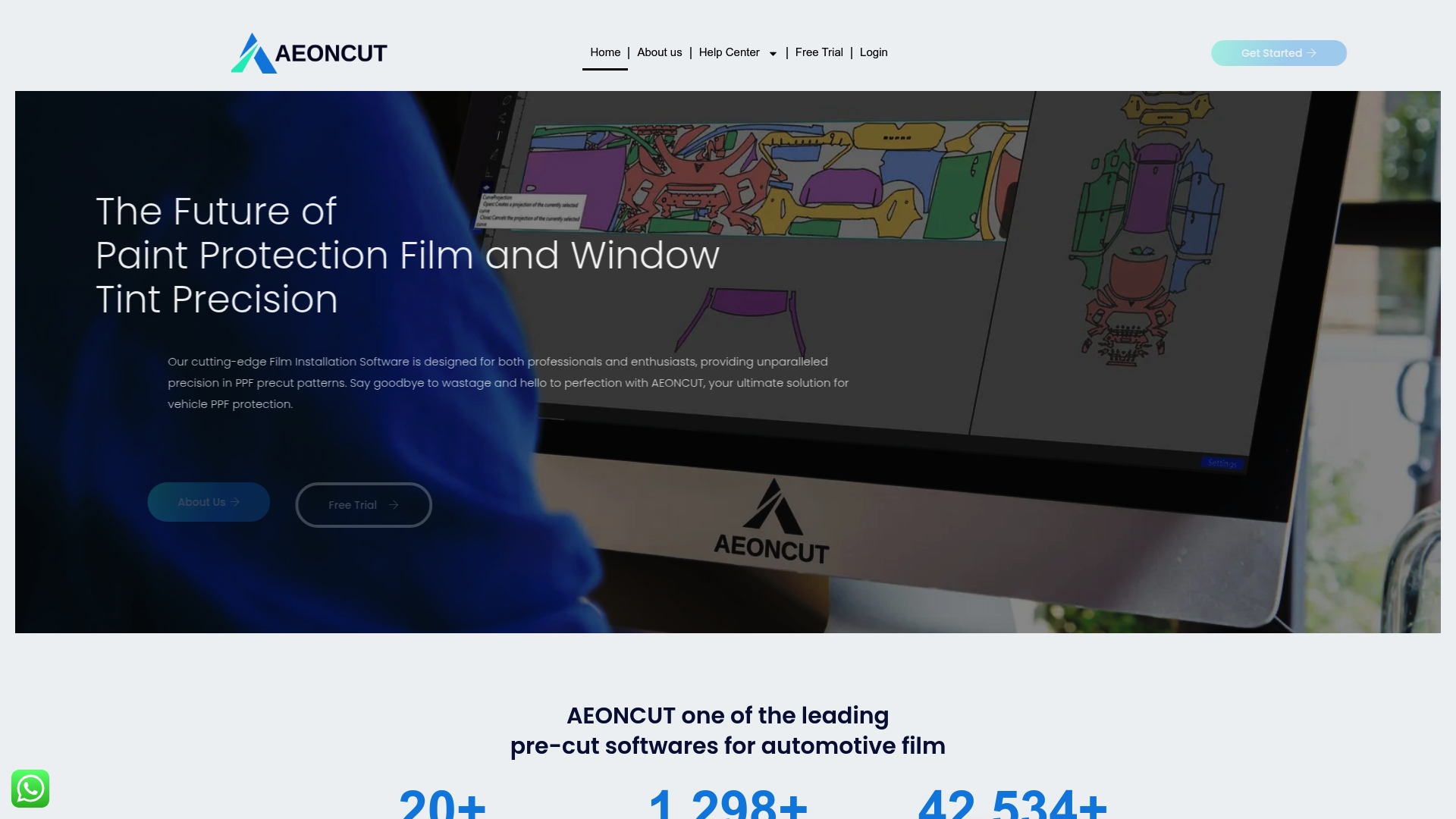
AEONCUT integrates legal tint limits for compliant installations across all US states, protecting your business from regulatory risks whilst serving clients confidently. The master window tint cut software capabilities minimise material waste and errors, boosting efficiency and profitability significantly. Regular pattern updates and AI-powered nesting support professional-grade installations that differentiate your services in competitive markets. Explore the window tint laws guide and discover how AEONCUT transforms installation precision and business performance today.
Frequently asked questions
What is the difference between UV blocking and heat rejection in window films?
UV blocking prevents harmful ultraviolet radiation causing skin damage and interior fading, operating primarily in wavelengths below 400 nanometres. Heat rejection combats infrared radiation above 700 nanometres to reduce cabin temperature and improve comfort. Both functions contribute to occupant wellbeing but require different coating technologies within film structures.
Are there films that do not interfere with modern car electronic signals?
Ceramic films typically cause no interference with automotive electronics, unlike metallic films that may disrupt mobile signals and keyless entry systems. Installers should specify ceramic or carbon-based coatings when client vehicles contain sensitive wireless technology. These non-metallic options deliver excellent UV and heat protection without compromising electronic functionality.
How can installers ensure compliance with state tint laws?
Check current state-specific VLT limits before selecting films, referencing the window tint laws guide for 2026 regulations. Use legal-compliant films and verify post-installation VLT with certified light meters to document conformity. Consult local DMV resources and law enforcement guidelines regularly as regulations evolve.
What are common installation defects and how can they be avoided?
Bubbles, creases, and peeling typically result from inadequate surface preparation and incorrect adhesion technique during application. Professionals prevent defects through meticulous cleaning, proper environmental controls, and expert squeegee methods. Following installation precision tips ensures flawless results that maintain warranty coverage and client satisfaction.
Recommended
- Car Window UV Protection Film: Efficiency and Safety – AEONCUT PPF Pre-cut Cutting software
- UV Window Tint: Precision Solutions for Installers – AEONCUT PPF Pre-cut Cutting software
- Private Window Film – Advanced Solutions for Privacy – AEONCUT PPF Pre-cut Cutting software
- Understanding The Science of UV & IR Rejection in Automotive Window Films – AEONCUT PPF Pre-cut Cutting software